
오늘의 한마디
Virus (서연, 수연)
A virus is a tiny thing that attacks the cells of plants, animals, and bacteria. Viruses are shaped like needles or like balls. Most viruses can be seen only with a powerful microscope. Viruses are sometimes called germs <<juhrmz>>.
Viruses cause many diseases. Virus diseases in human beings include AIDS, chickenpox, colds, cold sores, flu, measles, mumps, and rabies. Viruses also cause disease and cancer in animals and damage food crops. Some virus diseases can spread from one kind of animal to another kind of animal. A few animal viruses can make human beings sick. For example, the rabies virus harms both dogs and people.
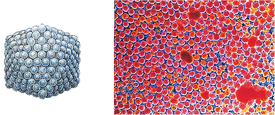
Sphere-shaped polio virus
By itself, a virus is a lifeless thing. However, inside a living body, a virus can make more of itself. A virus can get into a human body in several ways. A virus may get into a person's blood through a cut, or a person may breathe in a virus through the air. A person may also eat or drink something that contains a virus. Once inside the body, the virus moves through the blood or other fluids to certain cells <<sehlz>>. Cells are the building blocks of all living things. Inside the cells, the virus gets busy. It uses the materials inside the cell to live, and it starts to make copies of itself. These virus copies spread to other cells. They cause disease by killing or damaging cells.
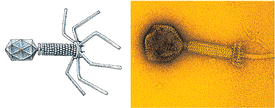
Bacteriophage
Doctors cannot kill viruses with drugs because most drugs that can kill a virus would also kill healthy cells in the person's body. So people protect themselves from diseases caused by viruses by getting special shots called vaccines <<vak SEENZ>>. Vaccines cause the body to produce cells that help fight viruses when they show up.

Testing for avian influenza
Insects carry plant viruses. When insects eat plants, the viruses get into the plant cells. Viruses attack tiny living things called bacteria, too. Viruses have special parts like needles that poke a hole in bacteria walls and get into the cells.